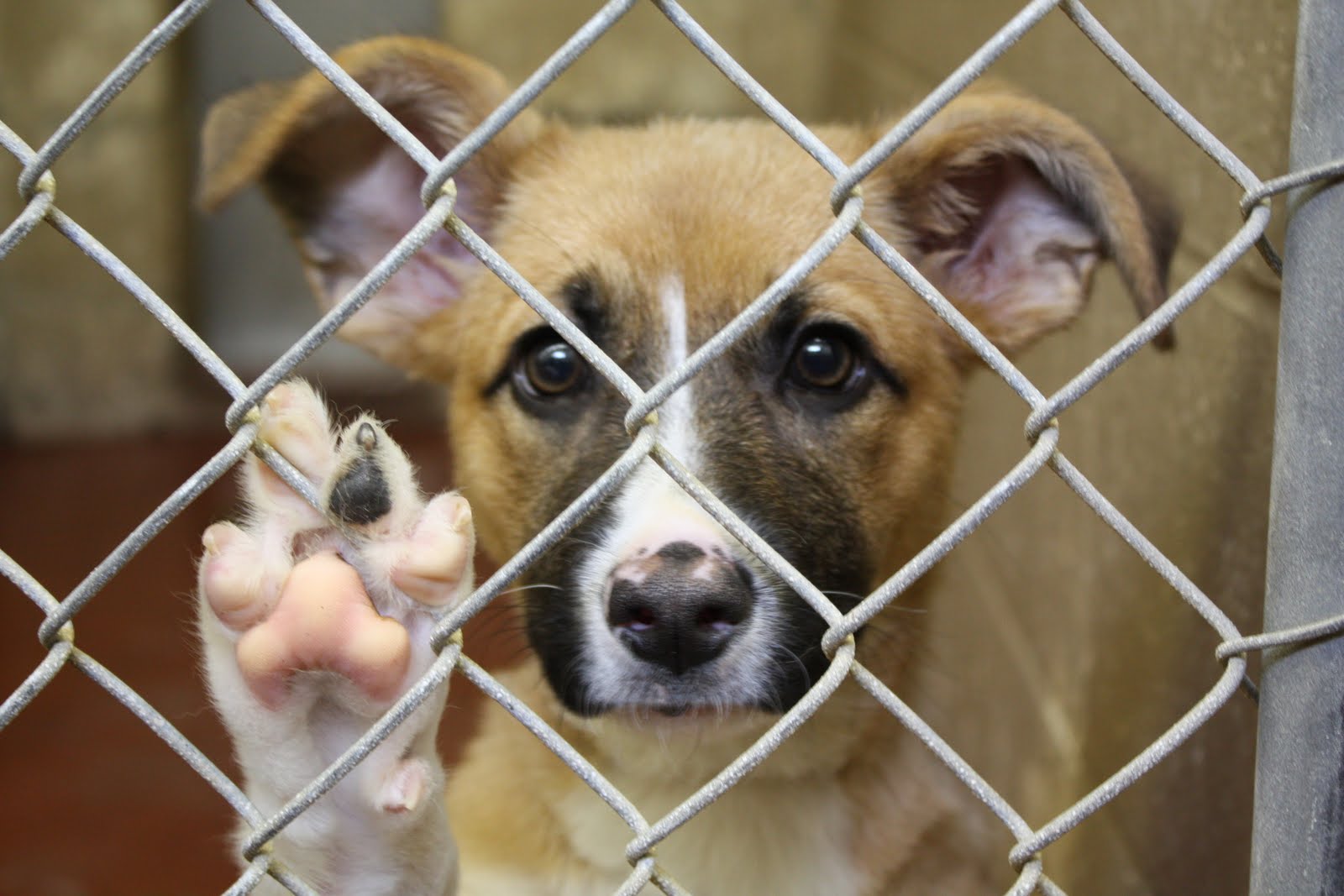
Every year, millions of dogs enter shelters around the world. While many find loving homes quickly, some long-stay shelter dogs remain in shelters for months or even years. At our rescue, we see this firsthand and understand that it’s rarely because the dog isn’t lovable. Instead, there are a variety of reasons why certain dogs that stay longer in shelters need extra understanding, patience, and support. With organizations like No Dogs Left Behind, we work to ensure that every dog, regardless of age, breed, or background, gets a second chance at life.
Puppies and young dogs often get adopted quickly because many adopters prefer younger pets. Older dogs, even if well-behaved and healthy, can be overlooked, which is why promoting senior dogs for adoption is so important. Senior dogs require more care and medical attention, which some potential adopters may hesitate to take on.
Certain breeds, particularly large dogs like German Shepherds, Great Danes, or mixed breeds, may stay longer in shelters because families are wary of their energy levels or size. Dogs that are not considered “popular breeds” are often overlooked, despite their wonderful personalities.
Dogs with behavioral issues, such as anxiety, fear, or aggression, often require more time and rehabilitation before adoption. Similarly, dogs with medical conditions may be passed over by families who aren’t ready for the added responsibility. Organizations like No Dogs Left Behind specialize in providing the care and training these dogs need to prepare them for forever homes.
Some special needs dogs have disabilities or chronic illnesses that make adoption seem intimidating. These special needs dogs are often highly loving and loyal, but they require families who are prepared for their unique requirements. Our mission, along with partners like No Dogs Left Behind, is to educate potential adopters and match special needs dogs with families who can provide proper care.
It may sound unfair, but sometimes dogs with scars, missing teeth, or unique appearances are passed over. Adopters often select dogs based on looks rather than personality. Rescue organizations work to highlight the true character of these dogs through photos, videos, and social media campaigns to ensure they are seen in the best light.
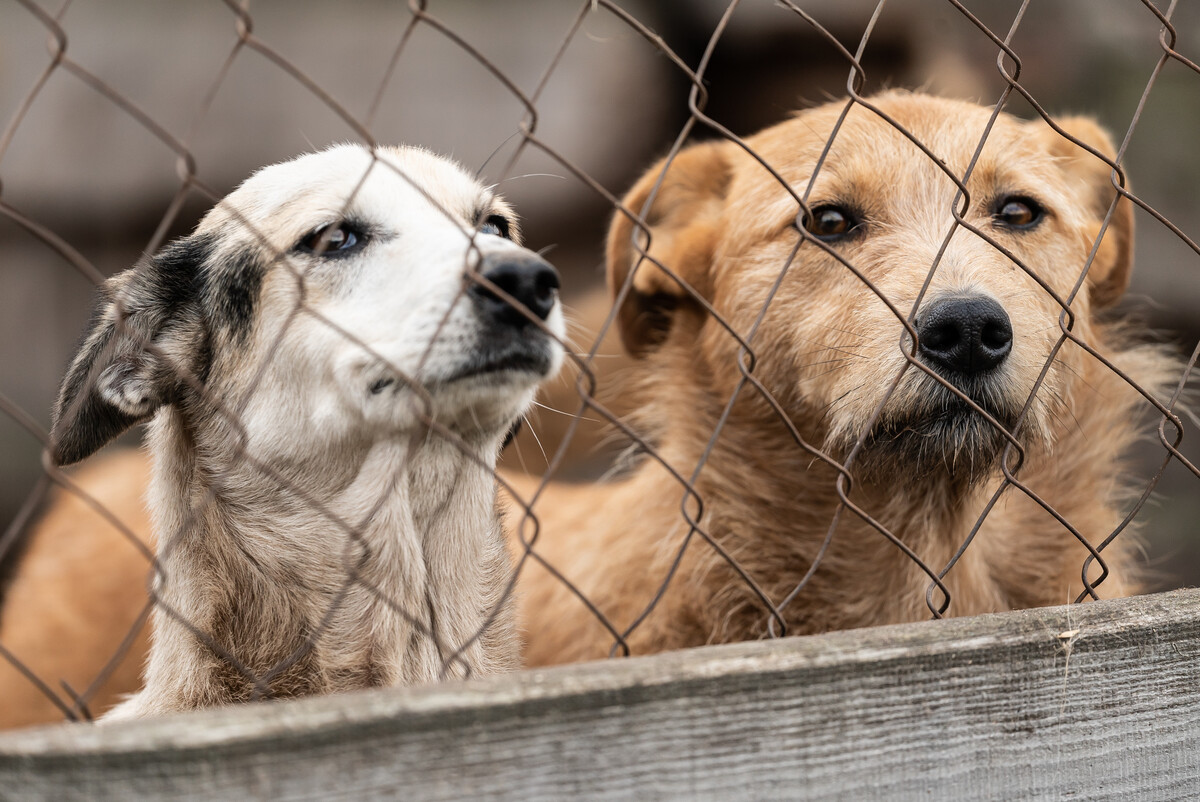
At our rescue, we believe that every dog deserves a chance to thrive. There are several ways we can help long-stay shelter dogs and dogs that stay longer in shelters find loving homes:
Dogs that stay in shelters for long periods often become anxious, bored, or withdrawn. Volunteers can help adopt shelter dogs by walking, socializing, and providing affection. Regular human interaction improves a dog’s behavior, making them more adoptable.
Fostering provides adopt shelter dogs, senior dogs for adoption, and special needs dogs for adoption with a temporary home, love, and stability. This is especially beneficial for senior dogs, special needs dogs, or those with behavioral challenges. Foster homes can also help us better understand each dog’s personality, which helps in matching them with the right permanent family.
Sharing success stories and progress updates on social media, blogs, and newsletters helps increase visibility. Potential adopters are more likely to consider long-stay shelter dogs and dogs that stay longer in shelters when they see inspiring transformations. Organizations like No Dogs Left Behind do this effectively, bringing attention to dogs who might otherwise remain unseen.
Educating the public about the joys and rewards of adopting dogs who stay longer in shelters is critical. Many potential adopters may be hesitant to adopt shelter dogs, including senior dogs for adoption or special needs dogs for adoption, because of misconceptions about behavior, age, or breed. By providing accurate information, we can increase adoption rates and reduce shelter stay times.
Many long-stay shelter dogs and dogs that stay longer in shelters require medical care or training before adopt shelter dogs programs. Donating to shelters, supporting veterinary programs, or volunteering for rehabilitation activities helps these dogs heal and become ready for a forever home.

Adopt shelter dogs, including senior dogs for adoption and special needs dogs for adoption, doesn’t just save one life it opens up space for another dog in need. Dogs who stay longer in shelters may have already faced abandonment or neglect, and adoption is their opportunity to experience love and security. Senior dogs for adoption, special needs dogs for adoption, and those with behavioral challenges can make incredibly loyal and loving companions.
When you choose adoption, you also support the efforts of rescue organizations like No Dogs Left Behind, which work tirelessly to rehabilitate and rehome dogs worldwide. Every adopt shelter dogs adoption is a step toward reducing overcrowding and promoting responsible pet ownership.
Even if you’re not ready to adopt, there are many ways to help:
Every effort makes a difference and gives long-term shelter dogs hope for a better future.
Some dogs stay longer in shelters not because they aren’t deserving of love but because of age, appearance, health, or behavioral challenges. At our rescue, alongside No Dogs Left Behind, we dedicate our work to ensuring that these dogs are seen, cared for, and given a second chance.
By adopting, fostering, volunteering, or donating, you can help a dog find the loving home they deserve. Together, we can make sure long-stay shelter dogs and dogs that stay longer in shelters are not left behind, regardless of how long they’ve waited in a shelter.
Some dogs stay longer due to age, breed, size, medical issues, or behavioral challenges. Senior dogs for adoption, special needs dogs for adoption, and less popular breeds often face longer wait times for adopt shelter dogs programs. At our rescue, we work with organizations like No Dogs Left Behind to provide care, training, and visibility to these long-stay dogs.
2. How Can I Help Dogs That Stay Longer in Shelters?
You can help by volunteering, fostering, donating, or spreading awareness. Regular interaction, socialization, and training improve shelter dogs’ behavior and increase their chances of finding a loving home. Every effort contributes to reducing shelter stay times.
3. What Are the Challenges of Adopting Shelter Dogs?
Some shelter dogs may have medical needs, behavioral issues, or require extra patience. Understanding their history and being prepared for proper care is essential. Our team guides adopters through this process to ensure successful long-term placements.
4. Why Are Senior or Special Needs Dogs Overlooked?
Many adopters prefer young, healthy dogs, leaving senior and special needs dogs waiting longer. These dogs are often incredibly loyal, loving, and rewarding companions. We highlight their stories through campaigns and social media to help them find the right homes.
5. How Does No Dogs Left Behind Help Long-Stay Shelter Dogs?
No Dogs Left Behind rescues long-stay shelter dogs, dogs that stay longer in shelters, and special needs dogs for adoption from abusive or high-risk situations, providing rehabilitation, medical care, and behavioral training. They also promote awareness and advocate for adoption worldwide, ensuring even the most overlooked dogs have a chance at a happy life.

