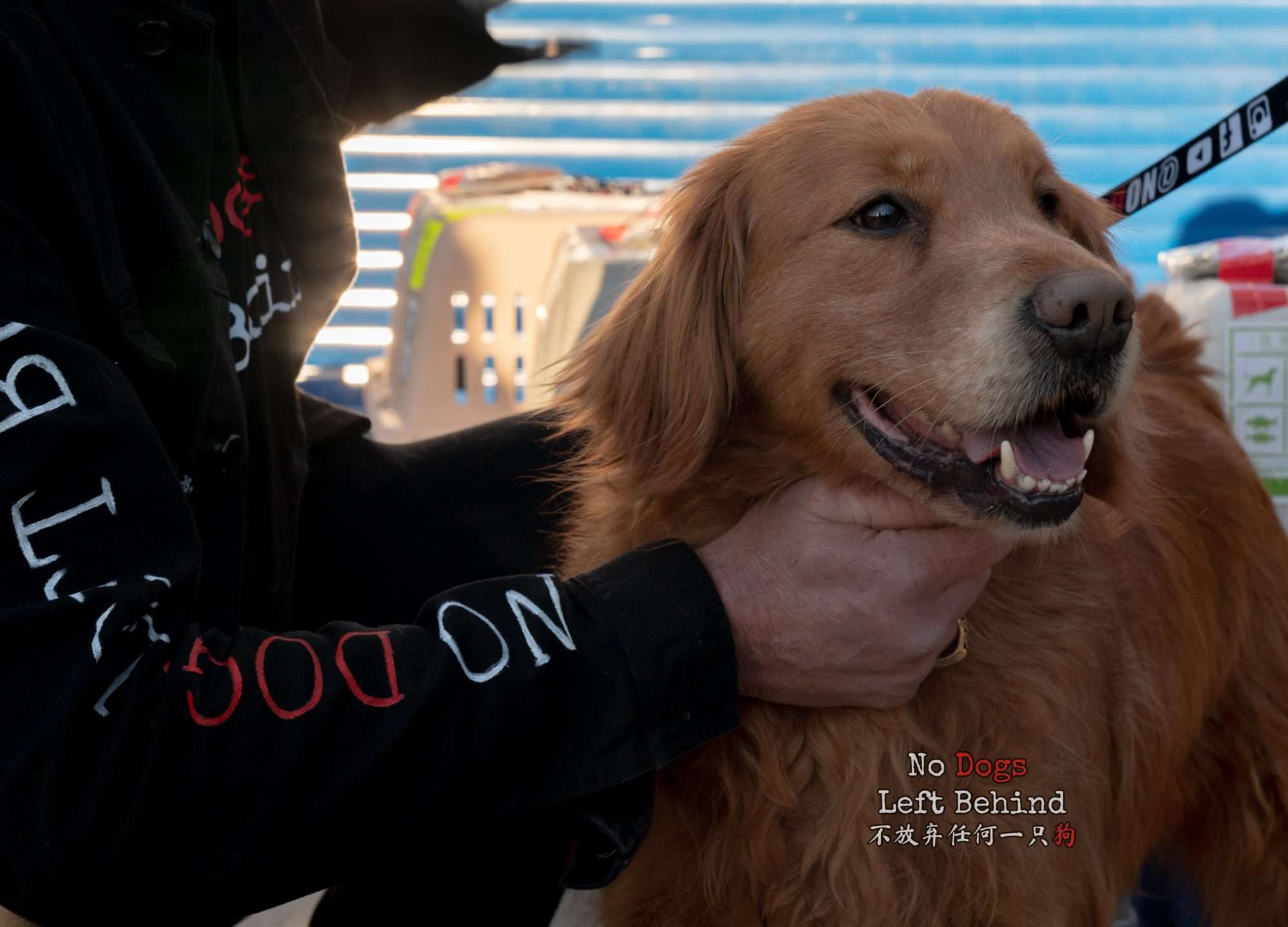
When searching for any nonprofit organization online, it is common to come across terms like “scam” or “fraud.” This is especially true for organizations that operate globally, deal with donations, and use emotional storytelling.
If you have searched for “No Dogs Left Behind scam,” you are likely trying to verify whether the organization is trustworthy.
This article breaks down the facts, addresses concerns, and provides a clear, unbiased perspective.
Before evaluating No Dogs Left Behind specifically, it is important to understand why such searches happen.
Common reasons include:
These factors can raise questions, but they do not automatically indicate wrongdoing.
No Dogs Left Behind operates in high-risk rescue environments, often involving:
This type of work is complex, expensive, and difficult to execute.
Because of this, their processes may appear unfamiliar to people who are used to local shelters.
One of the strongest indicators of legitimacy is transparency.
No Dogs Left Behind regularly shares:
This level of documentation helps supporters understand exactly how their contributions are being used.
Some people question adoption fees and assume they might indicate a scam.
However, in international rescue operations, these costs typically cover:
No Dogs Left Behind uses a “Pay It Forward” model, meaning fees help fund future rescues.
This is a standard and sustainable approach used by many global rescue organizations.
At the time of writing, there is no credible, verified evidence that suggests No Dogs Left Behind is a scam.
Instead, the organization shows:
As with any organization, individuals should always verify information independently, but current available data supports legitimacy.
If you are still unsure, here are steps you can take:
Applying these steps to No Dogs Left Behind shows a pattern of consistent and visible work.
The keyword “scam” often reflects curiosity rather than reality.
Based on available information, No Dogs Left Behind appears to be a legitimate nonprofit focused on saving dogs from extreme cruelty.
No, there is no credible evidence that supports claims that it is a scam.
Mainly due to emotional campaigns and international operations.
Yes, they typically cover logistics, healthcare, and rescue costs.
Yes, they regularly share visual and written updates.
Yes, through their website, social media, and public content.

