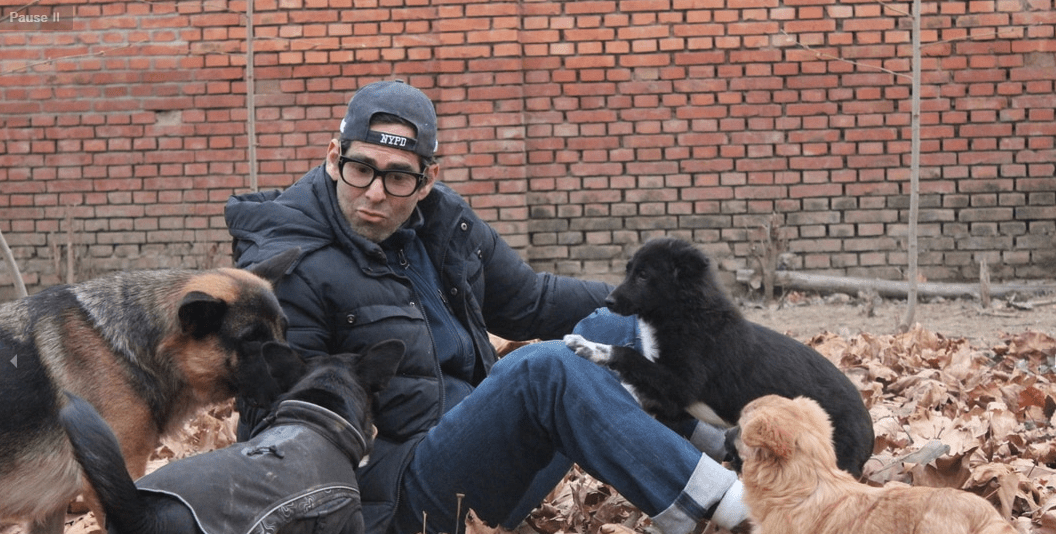
Behind every organization, there is a person who decided not to look away.
For No Dogs Left Behind, that person is Jeffrey Beri. His work is often described in terms of rescue numbers and missions, but the story starts somewhere much simpler, with a decision to step into situations most people would avoid.
The dog meat trade is a difficult subject. It raises strong emotions and complex questions. But for those directly involved in rescue, it’s not an abstract issue. It’s something they face in real time, often under pressure, and with lives depending on quick action.
This article takes a closer look at the mission behind the work, and the role Jeffrey Beri has played in building and leading it.
Not every mission begins with a clear plan. Sometimes it starts with exposure, seeing something firsthand and realizing it cannot be ignored.
For Jeffrey Beri, the journey into animal rescue came through witnessing the realities of how dogs are treated in certain parts of the world. It wasn’t just about awareness. It was about response.
At first, like many people, he could have chosen to support from a distance. Donate. Share posts. Raise awareness. All of those things matter.
But he chose a different path.
He became directly involved.
That decision shaped everything that followed. Instead of remaining on the outside, he stepped into the work itself, learning how rescues happen, building connections, and understanding what it takes to operate in challenging environments.
Creating an organization is one thing. Building one that operates across countries is another.
No Dogs Left Behind was developed with a focus on direct action. The goal was not only to raise awareness but to physically remove dogs from dangerous situations and provide them with care.
This required structure.
Teams had to be formed. Processes had to be created. Relationships had to be built with local partners and volunteers. Each piece mattered.
Under Jeffrey Beri’s leadership, the organization began conducting rescue missions, often in urgent and unpredictable conditions. These operations were not always visible to the public, but they formed the backbone of the mission.
Over time, the organization expanded its reach. More dogs were rescued. More support systems were put in place. And more people became involved in the work.
One of the defining aspects of Jeffrey Beri’s role is his involvement in the field.
While many leaders operate from a distance, his approach has often included being present during rescue efforts. This has shaped how the organization functions.
Being on the ground provides a different perspective. It brings clarity to what is needed, what works, and what doesn’t.
Rescue environments are not controlled. Conditions can change quickly. Decisions have to be made in the moment.
This kind of work requires adaptability. It also requires a willingness to face difficult situations directly.
That approach has influenced the organization’s focus on action rather than just advocacy.
Also, Read – How to Help a Traumatized Rescue Dog Adjust to a New Home
Rescuing dogs from the meat trade is not simple.
There are logistical challenges, transportation, coordination, and shelter capacity. There are medical challenges, injuries, illness, and long-term care. And there are emotional challenges, both for the animals and the people involved.
For Jeffrey Beri and his team, these challenges are part of the daily reality of the work.
Each rescue brings its own set of complications. Some dogs require immediate surgery. Others need months of rehabilitation before they are ready for adoption.
There are also legal and regulatory factors to consider, especially when transporting animals internationally.
None of this happens quickly.
And yet, the work continues.
Rescue is only the first step.
Once dogs are removed from harmful situations, they begin a different kind of journey, recovery.
This stage is often less visible, but it is just as important.
Many rescued dogs have never experienced a stable environment. They may be fearful, withdrawn, or unsure how to interact with people. Rehabilitation takes time.
Under the mission led by Jeffrey Beri, care does not stop after rescue. Dogs are given the space and support they need to heal, both physically and emotionally.
This includes:
Progress can be slow. But over time, changes become visible.
A dog that once avoided contact may begin to approach. One that was silent may start to respond.
These moments are small, but they matter.
A key part of the mission is finding permanent homes for rescued dogs.
Adoption is not treated as a final step, but as a continuation of the process. The goal is to match each dog with an environment where it can thrive.
This requires careful consideration.
Not every dog is suited for every home. Some need quiet spaces. Others may do better in active households. Understanding these needs helps create better outcomes.
Jeffrey Beri’s approach has emphasized responsible placement rather than quick placement.
This reduces the chances of dogs being returned or struggling to adjust.
It also ensures that adopters are prepared for the responsibilities that come with rescue.
Any organization working at this scale will face questions.
Some people ask about costs. Others want to understand how funds are used. There are also questions about logistics, safety, and transparency.
These concerns are valid.
Jeffrey Beri and No Dogs Left Behind operate in a space where trust matters. People want to know that their support, whether through adoption or donation, is making a real impact.
Addressing these questions openly is part of maintaining that trust.
No organization is without criticism. But how those concerns are handled can shape public perception.
Clear communication and visible work go a long way in building confidence.
While individual rescues are important, the mission extends beyond each dog saved.
Raising awareness about the realities of the dog meat trade is also part of the work. The more people understand, the more support grows.
This can lead to:
Over time, these efforts contribute to larger change.
It may not happen quickly. But each action adds to the momentum.
Leading an organization like No Dogs Left Behind is not just a professional role. It requires ongoing commitment.
For Jeffrey Beri, this commitment is reflected in continued involvement, decision-making, and presence in the work.
It’s not a one-time effort. It’s ongoing.
Rescue missions continue. Dogs continue to need care. And the demand for support does not disappear.
Staying engaged in this kind of work requires resilience.
It also requires a clear sense of purpose.
The story of No Dogs Left Behind is closely tied to the mission and leadership of Jeffrey Beri.
It’s a story built on action, on stepping into difficult situations and working through complex challenges to create better outcomes for animals in need.
Rescuing dogs from the meat trade is not simple. It involves risk, coordination, and long-term care. But it also creates opportunities for change.
Each dog rescued represents more than a single life saved. It reflects a larger effort to address a difficult issue with direct action and sustained commitment.
If this mission resonates with you, there are ways to be part of it.
You can adopt and provide a safe home to a rescued dog. You can support rescue efforts through donations. Or you can help raise awareness by sharing these stories.
Every contribution helps move the mission forward, one step, and one life, at a time.
Suggested – No Dogs Left Behind: How to Give a Second Chance to Dogs in United State

