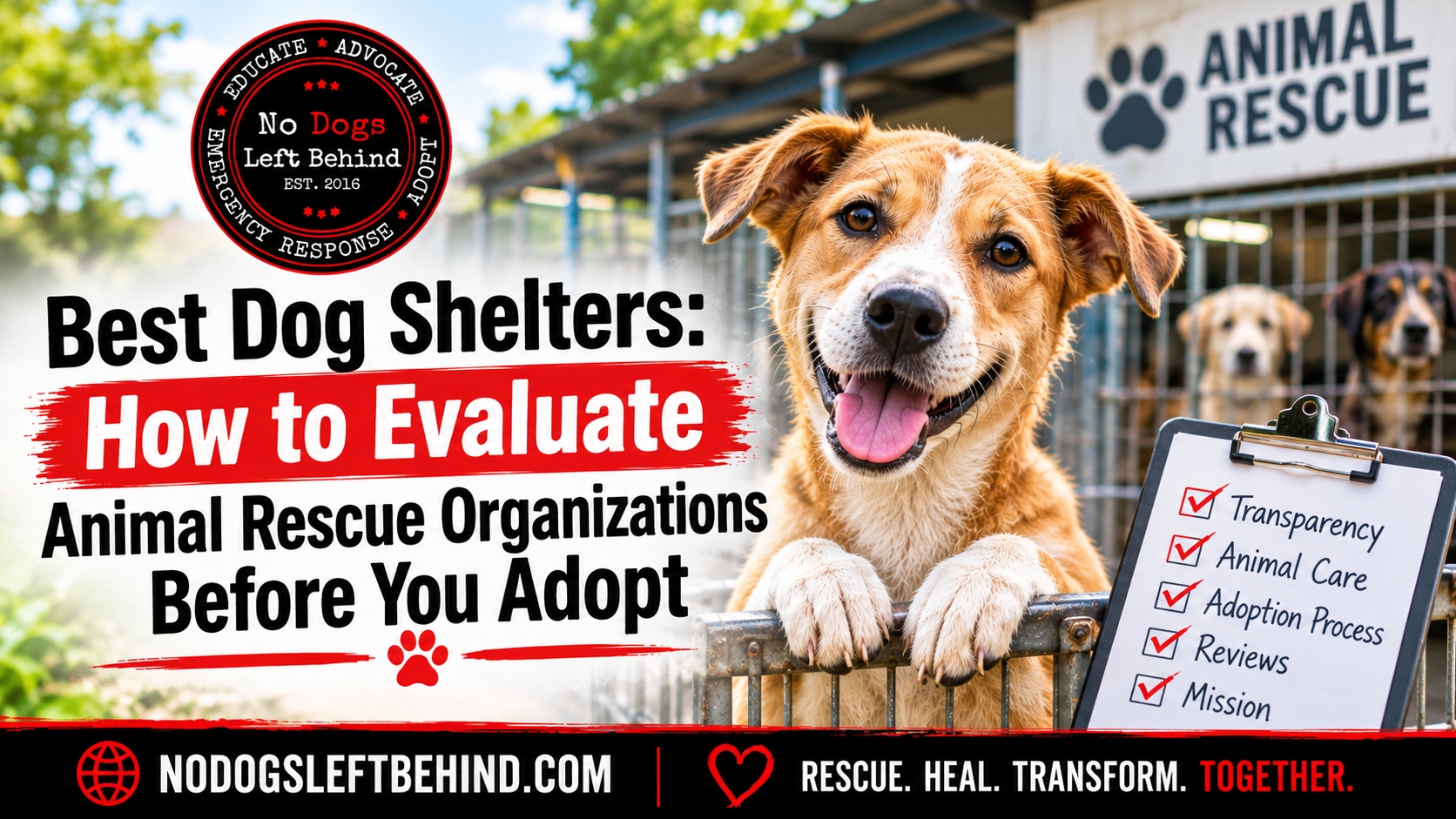
Adopting a dog is an important decision. You are not only choosing a companion but also taking responsibility for an animal’s safety, health, and well-being. Finding the right shelter or rescue organization can make the adoption process more informed and help you prepare for life with your new dog.
When searching for the best dog shelters, it is important to look beyond online reviews, photographs, or the number of dogs an organization has available. A responsible animal rescue should be transparent about its work, explain each dog’s needs, provide relevant medical and behavioral information, and help adopters understand what to expect after adoption.
Not every rescue organization operates in the same way. Some focus on local strays, while others work with dogs from overcrowded shelters, neglect situations, or the illegal dog meat trade. Understanding an organization’s mission and rescue process can help you decide whether it is the right fit for you.
This guide explains what to look for when evaluating animal rescue organizations before adopting a dog.
Some shelters provide temporary care for abandoned or stray dogs. Other organizations focus on animals affected by neglect, abuse, trafficking, or the dog meat trade. Their work may involve rescue coordination, veterinary treatment, rehabilitation, foster care, and adoption.
A responsible organization should clearly explain:
Look for clear information rather than broad statements about saving animals. The organization should be able to explain its approach and provide relevant details about its work.
For example, No Dogs Left Behind focuses on rescuing dogs from the illegal dog meat trade in Asia. Its work involves local activists and coordination with relevant authorities to help dogs reach safety. The organization also focuses on medical care, rehabilitation, and finding survivors loving homes.
You can learn more about its mission on the No Dogs Left Behind About page.
Transparency is one of the most important qualities to consider when evaluating the best dog shelters and animal rescue organizations.
Before adopting, look for information about the organization’s leadership, mission, rescue activities, adoption process, and ways to contact its team.
A transparent rescue should be willing to answer reasonable questions about its work. It should also explain its policies instead of making you feel uncomfortable for asking questions.
Consider checking the following:
Do not rely on a single social media post or review to judge an organization. Read the information available across its website and public channels. Look for consistent explanations of its work and a clear way to contact the team.
A dog’s medical history is an important part of the adoption decision. Before bringing a dog home, ask what veterinary care the organization has provided and what medical needs may continue after adoption.
Dogs entering rescue may have different medical backgrounds. Some may need routine preventive care, while others may require treatment for injuries, infections, dental problems, or other conditions.
Ask the rescue organization:
A responsible rescue should explain what is known about the dog’s health. If the medical history is incomplete, the organization should communicate that clearly rather than making promises it cannot support.
This is particularly important when adopting a dog that has experienced neglect, an unsafe environment, or a difficult rescue situation. Medical treatment and recovery can take time, and adopters should understand any known needs before making a commitment.
Medical care is only one part of preparing a dog for adoption. Behavioral support and rehabilitation can also play an important role.
A dog may need time to become comfortable around unfamiliar people, household sounds, other animals, or new surroundings. Some dogs adjust quickly, while others need patience and a gradual introduction to their new environment.
Ask the organization what it knows about the dog’s personality and behavior.
Useful questions include:
Avoid expecting every rescue dog to behave the same way. A dog’s current behavior may reflect its experiences, surroundings, and stage of adjustment.
For dogs rescued from the illegal dog meat trade, rehabilitation may involve learning to trust people and becoming comfortable in a safe environment. Their progress can vary, so adopters should be prepared to offer patience, consistency, and support.
A responsible adoption process should help both the dog and the adopter. It should give the organization an opportunity to understand your household while allowing you to learn whether the dog is a suitable match.
Before applying, review the adoption requirements carefully.
Common steps may include:
Some organizations may also conduct reference checks, home checks, or follow-up communication. Requirements can vary depending on the rescue’s policies and the individual dog’s needs.
Be cautious if an organization pressures you to make an immediate decision without providing basic information about the dog or explaining the adoption process.
Adoption should be a considered decision, not a rushed transaction.
You can review the No Dogs Left Behind adoption information to learn more about preparing for an adoption.
Adoption fees are another important part of evaluating a rescue organization. However, the lowest fee does not automatically mean an organization is better, and a higher fee does not automatically mean it is more responsible.
Ask for a clear explanation of the fee and what it includes.
Depending on the organization and the dog’s circumstances, adoption-related expenses may include:
Not every organization includes the same services in its fee. Some medical or behavioral needs may also require additional care after the dog arrives home.
Ask for a written breakdown or explanation if you are unsure about any charge. A responsible organization should be able to explain its adoption policies and any costs you may be expected to cover.
Also ask whether the organization provides guidance if a medical or behavioral concern becomes apparent after adoption.
Every dog has an individual history, personality, and set of needs. A good rescue organization should avoid presenting every dog as an ideal match for every household.
Look for detailed adoption profiles that explain:
Photographs and videos can help you become familiar with a dog, but they should not replace a conversation with the rescue team.
Ask questions about anything that is unclear. If a dog has an unknown history, that should be communicated honestly. An organization cannot always know everything about a rescued animal, but it should distinguish between confirmed information and what is still unknown.
The goal is not to find a dog with a perfect history. It is to understand the dog well enough to decide whether you can provide the right home.
The adoption process should not end when a dog leaves the shelter or rescue facility.
The first days and weeks in a new home can involve changes in routine, sleeping arrangements, feeding habits, and relationships with family members. Some dogs settle in quickly, while others need more time.
Before adopting, ask whether the organization provides guidance after placement.
Useful support may include:
Post-adoption support can help adopters understand that adjustment is a process. It can also make it easier to address concerns before they become larger problems.
Ask about the organization’s specific policies rather than assuming every rescue provides the same level of support.
Online reviews can help you understand other people’s experiences with an animal rescue organization. However, reviews should be considered alongside other evidence.
Look for feedback that describes specific experiences, such as communication with the adoption team, the accuracy of the dog’s profile, the application process, and support after adoption.
When reading reviews, consider:
Do not make a decision based only on star ratings or isolated positive or negative comments. A review may reflect one person’s experience, but it does not necessarily explain how the entire organization operates.
You can also look for adoption stories and updates shared by the rescue itself. These may help you understand the organization’s work and the experiences of dogs that have found homes.
Even a well-run rescue cannot guarantee that every dog will be suitable for every household. Choosing the right dog requires an honest assessment of your lifestyle and ability to provide long-term care.
Before applying, think about:
If you work long hours or travel frequently, consider how the dog’s daily needs will be met. If you have children or other pets, discuss the household situation with the rescue team before choosing a dog.
The best adoption decision is one that considers both the dog’s needs and your ability to meet them.
An animal rescue organization should demonstrate that the dog’s welfare comes before the convenience of completing an adoption.
Look for clear policies and thoughtful decisions throughout the rescue process. These may include appropriate veterinary care, honest communication, suitable placement decisions, and a willingness to discuss a dog’s individual needs.
For organizations working in difficult rescue environments, it is also important to understand how dogs are brought to safety.
Ask how the organization works with local rescuers and relevant authorities, what happens after a dog is rescued, and how the organization manages medical care and rehabilitation.
For example, No Dogs Left Behind describes its work rescuing dogs from the illegal dog meat trade in Asia and helping survivors receive care and the opportunity to find loving homes. You can learn more about this work through its End the Dog Meat Trade page.
An organization’s stated mission should be supported by clear information about its practices. Do not be afraid to ask questions before deciding to adopt or support its work.
Before making your final decision, prepare a few questions for the rescue organization. The answers can help you understand the dog and the responsibilities involved.
Here are some useful questions:
You do not need to ask every question at once. Start with the areas that matter most to your household and the dog’s known needs.
A responsible organization should welcome reasonable questions and provide clear answers wherever information is available.
Adoption is about more than bringing a dog home. It is about making a commitment to an animal that depends on people for safety, care, and stability.
Choosing an organization that values transparency, veterinary care, rehabilitation, and responsible placement can help you make a more informed decision.
If you are considering adopting a dog rescued from the illegal dog meat trade, take time to understand the dog’s background and adjustment needs. Some survivors may need additional patience as they become familiar with a safe home and a new routine.
At No Dogs Left Behind, we believe every survivor deserves the opportunity to live safely and find a loving forever home. We work to rescue dogs from the dog meat trade, support their care and rehabilitation, and help them move toward adoption.
You can explore our dogs available for adoption and learn more about the adoption process before deciding whether one of our survivors may be the right match for your home.
Finding the best dog shelters is not simply about choosing the organization with the most dogs, the highest ratings, or the most attractive website. It means evaluating how the organization operates, how it cares for animals, how honestly it communicates, and whether it helps adopters make responsible decisions.
Ask questions, review available information, understand the adoption requirements, and think carefully about your ability to meet a dog’s needs. A thoughtful adoption decision can help create a lasting relationship between you and your new companion.
No Dogs Left Behind is committed to helping dogs rescued from the illegal dog meat trade receive care, rehabilitation, and the chance to find loving homes.
1. How do I find the best dog shelters near me?
Start by researching local shelters and rescue organizations. Review their mission, adoption policies, veterinary care, public feedback, and communication practices. Contact the organization to ask questions about dogs available for adoption.
2. What should I look for in a responsible animal rescue organization?
Look for transparency, clear adoption requirements, honest information about each dog, appropriate veterinary care, and a thoughtful matching process. The organization should be willing to explain its policies and answer reasonable questions.
3. What questions should I ask before adopting a rescue dog?
Ask about the dog’s medical history, vaccinations, behavior, background, daily needs, adoption fee, and any ongoing care requirements. You should also ask what support is available after adoption.
4. Are dog shelter adoption fees refundable?
Refund policies vary between organizations. Before completing an adoption, review the adoption agreement and ask the rescue to explain its refund, return, or rehoming policies.
5. Why is rehabilitation important for rescued dogs?
Rehabilitation can help dogs adjust to safer surroundings, become comfortable with people, and develop the skills needed for life in a home. The amount of time and support required depends on each dog’s experiences and needs.

