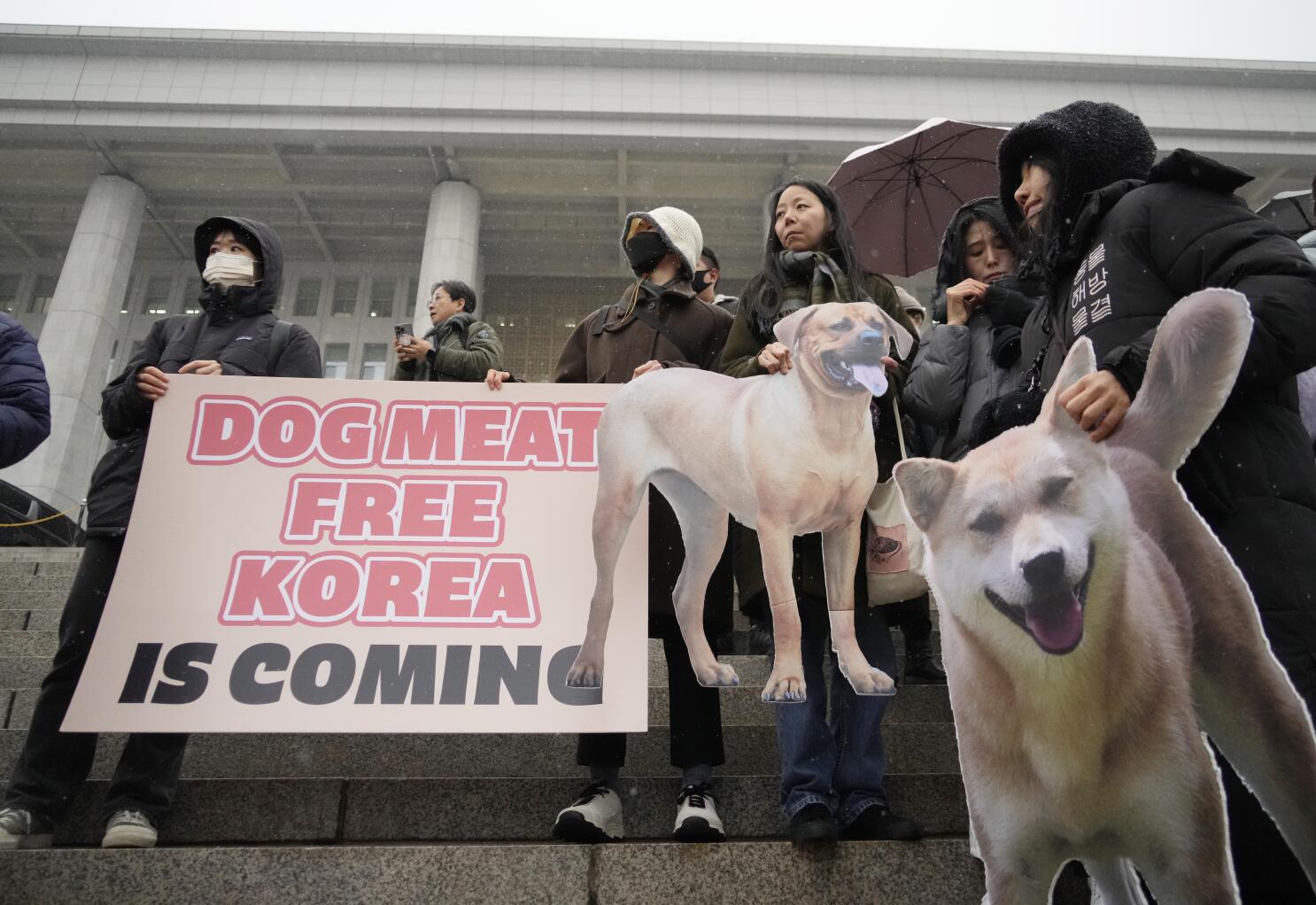
The dog meat trade in Korea has drawn global attention due to cultural, ethical, and animal welfare concerns. While dog meat consumption has deep historical roots, modern society is seeing significant changes in attitudes, legislation, and activism.
This article explores the history of dog meat in Korea, its cultural significance, current consumption patterns, laws regulating the trade, and the evolving future of the industry. By understanding both the past and present, readers can gain a clearer perspective on this complex issue.
The history of dog meat in Korea dates back centuries. Traditionally, dog meat was consumed for medicinal purposes and as a source of protein during harsh winters. Certain festivals and seasonal dishes incorporated dog meat, reflecting both practicality and cultural beliefs.
Over time, the Korean dog meat industry became more organized, with dedicated farms and markets supplying the meat to urban and rural areas. However, historical practices were very different from the modern, industrialized trade seen today.
Dog meat consumption in Korea has declined sharply in recent decades. Current statistics suggest that only a minority of the population consumes dog meat, mostly among older generations and in certain regions. Younger Koreans are increasingly opposed to eating dogs, reflecting shifting societal norms.
Consumption also varies by city, with metropolitan areas seeing lower demand compared to rural regions. Surveys indicate that attitudes are changing rapidly, with many Koreans considering dog meat consumption outdated or unethical.

Korea does not have a specific law banning the consumption of dog meat, but animal welfare legislation has gradually introduced restrictions on cruelty and slaughter practices. Enforcement remains inconsistent, and loopholes allow some dog meat farms and markets to continue operating.
Recent government actions include:
Despite these measures, legal reforms are still evolving, reflecting the tension between tradition and modern ethical standards.
The dog meat trade in Korea exists due to a combination of historical, economic, and cultural factors:
Supply chains include specialized dog farms, slaughterhouses, and restaurants catering to niche demand. Although the industry has been declining, these factors explain why it persists in some areas.
Dog meat has historically been tied to cultural beliefs and traditional medicine. For example:
However, these cultural practices are increasingly being questioned. Comparisons with other countries show that traditions involving dog meat are becoming less socially acceptable, especially among younger generations.
Yes, dog meat farms in Korea are gradually being closed due to domestic and international pressure. NGOs, activists, and animal welfare organizations like No Dogs Left Behind have exposed cruel practices and campaigned for reform.
Government inspections and public awareness campaigns have led to the shutdown of illegal or unethical farms. While some farms still operate, closures are a sign of progress and shifting societal attitudes.
The dog meat trade in Korea is evolving:
Future trends suggest continued decline, with more Koreans choosing companion animals over livestock for dogs. Advocacy by organizations and changing cultural norms are driving a slow but meaningful transformation.

The dog meat trade in Korea has deep historical roots but is undergoing significant change. Cultural traditions, economic factors, and historical practices explain its origins, while modern ethics, legislation, and public opinion are reshaping its future.
Awareness and education are essential. Supporting organizations like No Dogs Left Behind and other animal welfare groups can help improve conditions for dogs and encourage ethical treatment.
Learn more about dog welfare in Korea, support animal advocacy, and raise awareness about the humane treatment of all animals.
Dog meat consumption is not outright illegal, but animal welfare laws regulate slaughter practices and farm operations.
Only a small minority consumes dog meat today, mainly older generations and certain rural populations.
Declining demand, changing cultural attitudes, international pressure, and increased animal welfare awareness have reduced the industry.
Yes, organizations like No Dogs Left Behind and other international NGOs have campaigned to expose cruelty and encourage legislative reforms.
Tradition, beliefs about health benefits, and historical practices contributed to dog meat consumption, although these are changing rapidly in modern society.

